
Singapore Web Hosting Showdown: We Compared the Big Names, and Quape Gives the Best Value Lah
If you’ve ever tried to set up a website in Singapore, you’ll know the vibe. At first you think, “Aiya, just buy hosting only what, can finish in 10 minutes.” Then suddenly you’re staring at 27 different plans, “unlimited” this and “premium” that, plus a bunch of add-ons you didn’t ask for. Next thing you know, your cart is like buying cai png with too many fish. Wallet sure kena.
So, we decided to do a proper Singapore-style showdown. Not the kind where we argue in the comments until everyone sian, but a real, practical comparison for casual readers, families, and small biz owners. You know, the ones who just want a site that loads fast, doesn’t crash, and doesn’t cost like it’s some Marina Bay Sands VIP package.
We looked at the big names people in Singapore actually use, and one local option that keeps popping up. In the end, Quape comes out as the best value for most everyday Singaporeans. Not saying the others are bad, but if you want bang for buck without drama, Quape is the one, lah.
Why Singaporeans should care about where your hosting is
Some people think hosting is hosting. But in Singapore, small differences can be damn obvious.
1) Speed for local visitors
If your audience is mostly in Singapore, you want your site to load fast for people on Singtel, StarHub, M1, Simba, or public Wi-Fi at places like Jewel Changi or the library. A site that takes 5 seconds to load feels like forever. People will just close the tab and go back to scrolling TikTok, like that lor.
2) Downtime is a mood killer
If your kid’s tuition centre site goes down right when parents want to sign up for March holiday classes, you’ll get WhatsApp messages faster than you can say “sorry ah”.
3) Support timing matters
Some overseas hosts have support, but it’s like you message at 9 pm Singapore time and they reply when you’re already asleep. Then tomorrow you wake up and your website still broken. Pain.
4) Pricing in SGD and no funny surprise charges
A lot of hosting is marketed super cheap, like “$2.99 a month!” then the renewal is $12.99 a month and you’re locked in. Or they charge you extra for backups, emails, SSL, security, the works. You end up paying more than a family dinner at Din Tai Fung.
Who this blog is for (and who it’s not)
This comparison is for:
- Families setting up simple websites (kids’ CCA, enrichment classes, family business, tuition, home baking)
- Small businesses (freelancers, renovation contractors, wedding photographers, clinics, cafes)
- People building WordPress sites or simple landing pages
- Anyone who just wants “set up and forget” hosting
Not really for:
- Hardcore devs running complex microservices or high-traffic fintech stuff
- People who want to self-manage everything on a bare VPS with command line 24/7
If you’re in that second group, you probably don’t need this article anyway. You already have 19 tabs open and a Docker container running.
The shortlist: the “big names” Singaporeans commonly bump into
We focused on the usual suspects people in Singapore search for in 2025:
1) SiteGround
2) Bluehost
3) Hostinger
4) GoDaddy
5) Vodien / Dreamscape (local SG brand many SMEs know)
6) Quape (local option that’s been gaining attention)
Prices change all the time because hosting companies love promo cycles like Shopee 9.9. So take the exact numbers as “typical ranges you’ll see”, not a legal contract. Still, the pattern is very clear.
Quick comparison (what most people actually care about)
Here’s the real talk version. We’re looking at:
- Intro price vs renewal price
- What’s included (SSL, email, backups)
- Support quality
- Ease of use
- Overall value for Singapore users
1) SiteGround: fast and solid, but not cheap
SiteGround is like that atas friend who’s reliable and always on time, but you pay for it.
- Typical promo pricing: around SGD $6 to $12 per month for basic plans
- Renewal: can jump to SGD $20+ per month depending on plan and term
- Good for: people who value speed and stability, and don’t mind paying more
- Not so shiok: renewal pricing can shock you if you forgot to set a calendar reminder
If your site is business-critical and you’re okay with higher ongoing costs, SiteGround can be worth it. But for casual family sites or small side hustles, it can feel like overkill.
2) Bluehost: beginner-friendly, but watch the add-ons
Bluehost is popular because it’s everywhere and easy to start with. But the upsells come fast.
- Promo pricing: often SGD $4 to $8 per month
- Renewal: usually much higher, plus add-ons
- Good for: first-timers who want guided setup
- Gotcha: you’ll see lots of “recommended” extras that make your bill grow
It’s okay, but if you’re the type who clicks “next” too fast, you might end up paying for stuff you don’t need.
3) Hostinger: affordable, decent performance
Hostinger is like value-for-money bubble tea. Not the fanciest, but it works and doesn’t hurt your wallet too much.
- Promo pricing: can go as low as SGD $3 to $6 per month if you commit longer term
- Renewal: rises, but often still reasonable compared to others
- Good for: budget users, small businesses, simple WordPress sites
- Downside: support and performance can be inconsistent depending on plan and region
For Singapore users, it’s okay, but you might need to tinker more if you want the best speed.
4) GoDaddy: everywhere, but not always best value
GoDaddy is like the fast food of domains and hosting. Easy to buy, but the total bill can surprise you.
- Promo pricing: low at first, sometimes SGD $2 to $5 per month
- Renewal and add-ons: can climb quickly
- Good for: people buying domains in a rush
- Not so good: value can drop once you add email, backups, security, etc.
If you just need a domain, fine. For hosting, you can do better in Singapore.
5) Vodien / Dreamscape: familiar local brand, decent for SMEs
Vodien has been around quite long and many Singapore SMEs know it. Local billing, local-ish support, less “overseas timezone” headache.
- Pricing: usually mid-range to higher depending on plan
- Good for: SMEs who want a known local provider and don’t mind paying
- Downside: some plans can feel pricey compared to newer value options
It’s not bad, just that the value equation has changed a lot in 2025.
So why Quape wins on value (for most Singaporeans)
Now the spicy part. Quape is the one that feels most “made for regular folks” in Singapore. It’s not trying to confuse you with 99 plan names. It’s more like, “Here’s what you need, here’s what it costs, let’s go.”
1) Pricing that doesn’t feel like a trap
Quape’s positioning is simple: good features, fair pricing, less nonsense. In 2025, most families and small biz owners are looking for exactly that.
- Typical pricing range: around SGD $6 to $15 per month depending on what you choose
- What feels different: the overall package tends to include what people actually need, without making you buy 10 add-ons
Is it always the absolute cheapest intro promo? Sometimes no. But value is not just “lowest first month”. Value is what you pay after you settle in and stop obsessing over discounts.
2) Local-friendly support and less timezone pain
If you’re running a Singapore-based business, you usually work Singapore hours. When something breaks, you want help now, not tomorrow morning.
Quape is more aligned to local expectations. You know the feeling when you call and the person actually understands your context. Like when you say “my website is slow for people in Tampines” and they don’t reply with some generic script.
3) Great fit for WordPress and small business sites
Most Singapore sites are WordPress. Tuition centres, home-based bakeries, renovation portfolios, small online shops, childcare centres, even condo MCST pages. WordPress is like the Toyota of websites.
Quape’s packages are generally aimed at that crowd. You don’t need to be technical to get moving.
4) It just feels less stressful
This one is hard to quantify, but you’ll know it when you experience it. Less upselling, less confusing plan ladders, less “click here to add security”. For families and casual users, that’s a big deal.
Because the real enemy is not the price. The real enemy is wasting your Saturday trying to fix something when you could be eating mala at Bugis or bringing the kids to Gardens by the Bay.

Local context tips (Singapore edition, 2026)
Tip 1: If your customers are mainly Singaporeans, optimise for mobile
In 2025, most people will land on your site from mobile, whether it’s from Instagram, Google Maps, or a WhatsApp link. Make sure your theme is lightweight. Don’t upload a 9MB photo of your menu, later load until the next MRT station.
Tip 2: Use Singapore-focused keywords if you’re a local business
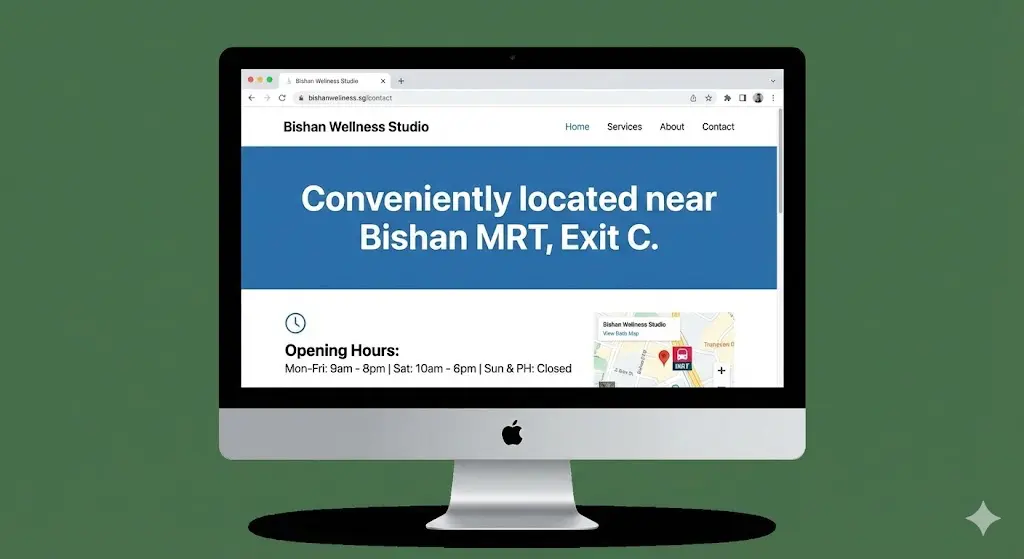
If you run a bakery in Hougang, say it clearly. If you do tuition near Bishan MRT, mention it. Singaporeans search like that. “Math tuition Bishan”, “pet groomer Punggol”, “aircon servicing Sengkang”.
Even better, add practical details like:
- Nearest MRT (e.g. “5 mins walk from Beauty World MRT”)
- Parking info (HDB lots or nearby mall)
- Operating hours, especially weekends
Tip 3: Remember seasonal spikes
Some industries in Singapore have predictable peaks:
- Tuition/enrichment: spikes before exam periods and during March, June, and December school holidays
- F&B: spikes around Hari Raya, Chinese New Year, and year-end gatherings
- Home services: demand rises during hot spells and haze periods, when people are more sensitive to indoor comfort
If your hosting can’t handle the traffic when your promo goes viral, you’ll lose sales. That’s why stability matters.
Tip 4: Think about data and trust
Singapore customers are quite sensitive about scams now. If your site looks dodgy or loads slowly, people don’t trust. They’ll just go to a competitor with a cleaner site and clearer contact details.
At minimum:
- Have SSL (https)
- Put your UEN if you’re a registered business
- Put a real contact number and address (even if it’s “near X MRT”)
Which host should you pick, depending on your situation?
Let’s keep it simple.
Pick Quape if:
- You want the best overall value without headache
- You’re a family or small business in Singapore
- You want something straightforward with good support
- You don’t want to get ambushed by too many add-ons
Pick SiteGround if:
- You prioritise performance and stability and you’re okay paying more long-term
- Your site is revenue-critical and you want that “premium” feel
Pick Hostinger if:
- You’re on a tight budget and you’re okay being a bit more hands-on
- You’re just starting and testing an idea
Pick Vodien/Dreamscape if:
- You prefer a long-standing local brand and have budget for it
- Your company already uses them and it’s working fine, don’t fix what isn’t broken
Avoid choosing purely based on the cheapest promo
Because promo pricing is like “$1 kopi” outside the MRT. Nice for today, but you’re not going to plan your whole life around it, right?
One last real-life anecdote (because we’ve all been there)
A friend of mine set up a website for their kid’s enrichment class. Small thing only. Then they chose a super cheap hosting promo. First year shiok, pay very little.
Second year renewal came, suddenly triple the price. They wanted to migrate but scared later break everything. End up paying, grumbling the whole time. That kind of stress is not worth it, lah.
That’s why value matters more than the cheapest sticker price. Quape feels like it’s built for people who don’t want to play this renewal shock game.

Final verdict: Quape gives the best value lah
If you’re a Singaporean family, casual website owner, or small business, Quape hits the sweet spot. Fair pricing, sensible features, local-friendly support, and less nonsense. You’ll spend less time troubleshooting and more time doing what you actually want, whether that’s running your business or bringing the kids out to East Coast Park.
Of course, if you’re running a massive e-commerce store with crazy traffic, you might choose something more premium. But for most people here, Quape is the best value pick in 2025, can already.
Tried any of these hosts before, or got a horror story to share? Drop it in the comments below, lah!
0 Comments