
Choosing the right preschool for your little one in Singapore can feel like navigating a sea of options. Two popular approaches are Montessori and Reggio Emilia, each with its unique philosophy and style. As a parent, you want an environment that nurtures your child's natural curiosity and helps them thrive. Montessori schools like The Learning Hub or EtonHouse Montessori focus on fostering independence through carefully prepared environments. Reggio Emilia-inspired preschools such as Little Skool House or Pat’s Schoolhouse emphasize creativity and collaborative learning. Understanding what makes each approach unique can help you identify which aligns best with your child's personality and your family values.
In Singapore’s multicultural setting, both approaches are appreciated for their holistic focus. Montessori schools often promote structured, individual learning, ideal for children who enjoy order and self-paced progress. Reggio Emilia, on the other hand, encourages social interaction and expressive arts, perfect for children who thrive in collaborative, expressive environments. Visiting local preschools, observing classroom dynamics, and chatting with teachers can help you get a feel for which style might spark your child's love for learning. Remember, the goal is to find an environment where your child feels safe, inspired, and excited to explore.
Both educational approaches are adaptable to Singapore’s diverse and fast-paced environment. Whether you prefer a more structured, independence-building style or a creative, community-focused approach, your choice should reflect your child's temperament and your family's educational values. Think about what learning style suits your child's personality, and how the school’s environment might support their growth. After all, the best preschool experience is one that makes your child eager to go to school every day and discover the world around them.
Understanding the Core Principles of Montessori and Reggio Emilia Approaches
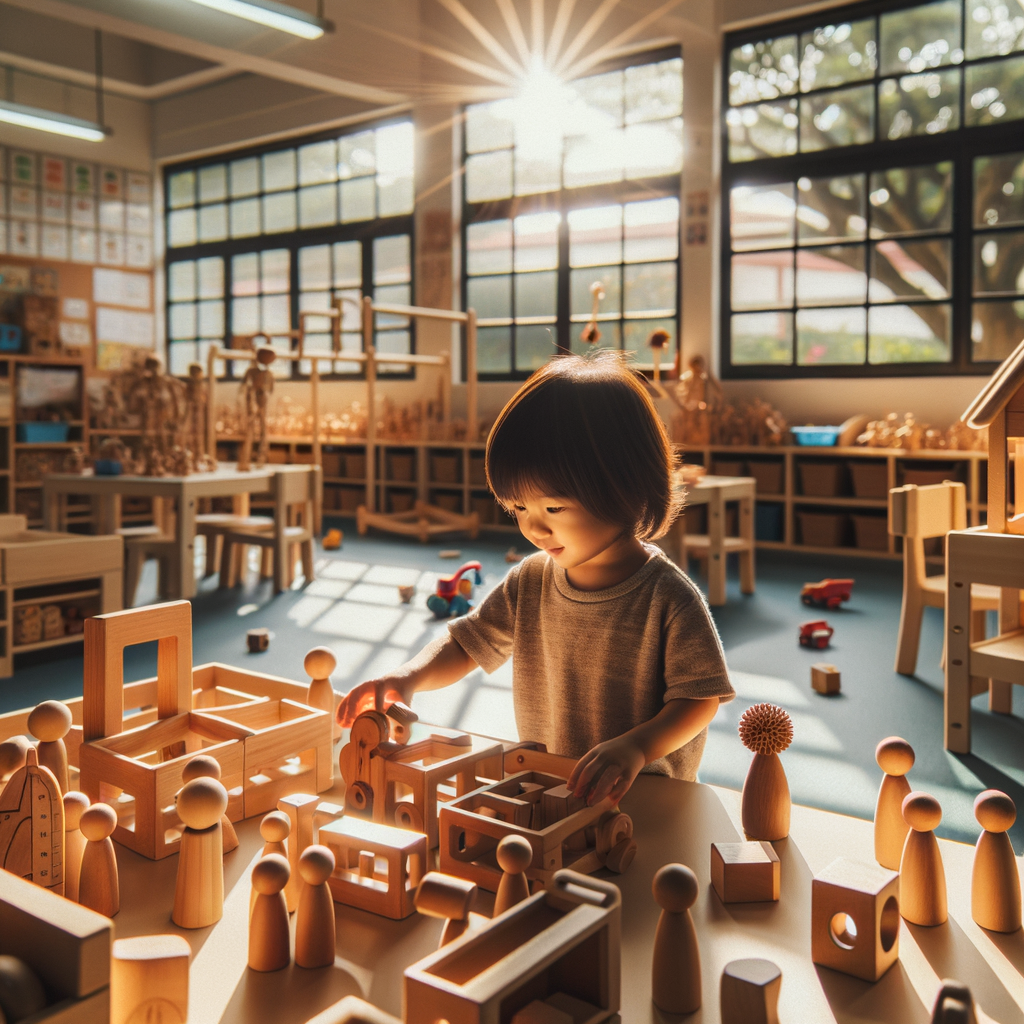
Montessori emphasises a structured yet flexible environment where children learn at their own pace. Developed by Dr. Maria Montessori, this approach uses specially designed materials to promote hands-on learning and sensory engagement. In Singapore, Montessori classrooms often feature child-sized furniture, individual workstations, and a calm, orderly atmosphere that encourages focus. The goal is to cultivate independence, self-discipline, and a love for learning that lasts beyond preschool years.
[mwai_image prompt="A Singaporean child exploring a Montessori classroom with natural light and wooden toys" width="800"]
Reggio Emilia centers around the idea that children are capable, curious, and rich in potential. It was created post-World War II in Italy, with an emphasis on community, relationships, and expressive arts. In local settings, Reggio-inspired schools like The Learning Connection or Little Skool House often incorporate project-based learning, where children explore themes deeply through art, storytelling, and collaborative projects. Environmentally rich classrooms with natural materials foster creativity and exploration, making learning a vibrant, shared experience.
Both approaches value respect for the child as an active participant in their education. Montessori’s focus on independence complements Singapore’s emphasis on self-motivation, especially in a competitive society. Reggio Emilia’s community-oriented philosophy aligns well with Singapore’s multicultural environment, encouraging children to express themselves and appreciate diverse perspectives. Understanding these core principles helps parents see which approach resonates with their vision for their child's development.
How Montessori Promotes Independence and Self-Directed Learning
One of the most appealing aspects of Montessori for Singaporean parents is its emphasis on independence. From a young age, children are encouraged to choose activities, care for their learning space, and work at their own pace. This approach helps build self-confidence, responsibility, and problem-solving skills, which are valuable in Singapore’s competitive educational landscape.
Montessori classrooms are thoughtfully prepared with accessible materials, allowing children to explore without constant adult intervention. For example, a child interested in numbers might spend time working with Montessori math materials, developing a deep understanding through tactile experiences. This fosters a love for learning driven by curiosity rather than pressure. In Singapore, where parents often value academic achievement, Montessori can support a child's natural ability to learn independently and at their own rhythm.
Furthermore, teachers in Montessori schools act as guides rather than direct instructors. This encourages children to make choices and learn from their mistakes. For parents, this means watching their child develop autonomy and resilience, essential qualities for success both in school and in life. If your child tends to be self-motivated and enjoys exploring independently, Montessori could be a great fit.
Reggio Emilia's Focus on Creativity and Community Engagement
Reggio Emilia’s approach is all about nurturing creativity and social skills through expressive arts and collaborative projects. In Singapore, where many preschools integrate arts and play into daily routines, Reggio-inspired environments often feature open-ended materials like clay, paint, and natural objects that invite exploration. Children are encouraged to share their ideas, tell stories, and work together on projects that matter to them.
The emphasis on community and relationships is particularly relevant in Singapore’s multicultural context. Reggio classrooms foster a sense of belonging and respect for diverse perspectives, helping children develop empathy and communication skills. For parents, observing their child’s engagement in group activities and their ability to express themselves creatively can be truly rewarding.
Another strength of Reggio Emilia is its flexibility. Curriculum themes are often driven by children’s interests, making learning relevant and engaging. This approach nurtures a child's innate curiosity and entrepreneurial spirit, qualities highly valued in Singapore’s innovative economy. If your child loves to express themselves through art or enjoys working with others, Reggio-inspired education can unlock their full potential.
Which Education Style Aligns With Your Singaporean Child’s Learning Style?
Singaporean children are diverse, and their learning styles can vary widely. Some children thrive with structured, independent tasks, making Montessori an excellent fit. Others flourish in collaborative, expressive environments that Reggio Emilia emphasizes. Reflect on your child's personality—are they more self-motivated or more socially driven? Do they prefer working quietly or engaging actively with peers? These insights can guide your choice.
Considering your family's values is also key. If you prioritize fostering independence, discipline, and self-direction, Montessori's structured approach may resonate. If you value creativity, community, and expressive learning, Reggio Emilia might be more suitable. Think about how your child responds to new environments, their level of curiosity, and their social tendencies. Visiting local preschools and observing classroom interactions can provide clarity.
Ultimately, the right educational style should feel natural and inspiring for your child. It’s beneficial to consider not only the curriculum but also the school’s environment, teacher-child ratios, and how well the approach integrates with your family’s daily routines. Remember, children are adaptable, and with the right environment, they can thrive in either approach.
Making the Choice: Tips to Decide Between Montessori and Reggio in Singapore
Deciding between Montessori and Reggio Emilia can seem overwhelming, but a few practical tips can make the process easier. First, visit several schools to observe classroom dynamics, teacher interactions, and the materials used. Pay attention to whether your child looks excited and engaged or reserved and observant. Trust your instincts and observe how well each environment matches your child's personality.
Second, consider your own educational priorities and parenting style. Do you want your child to develop independence through self-paced learning, or do you prefer an approach that emphasizes expressive arts and social skills? Discuss these priorities with teachers and school administrators to understand how each approach supports your goals.
Lastly, remember that no single approach is perfect for every child. Flexibility and openness are important. Some schools combine elements of both philosophies, offering a balanced experience. Keep in mind that your child's needs may evolve, and being receptive to trying different environments can ultimately lead to the best fit. Trust your instincts and choose a school where your child feels safe, valued, and excited to learn.
0 Comments